
Category: Sentence Structures and Clauses in Spanish

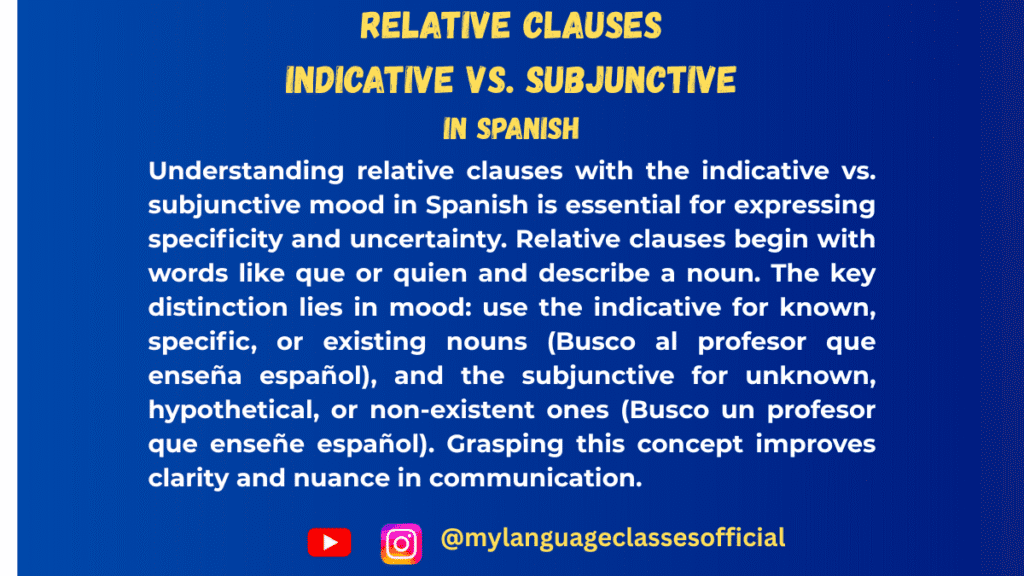
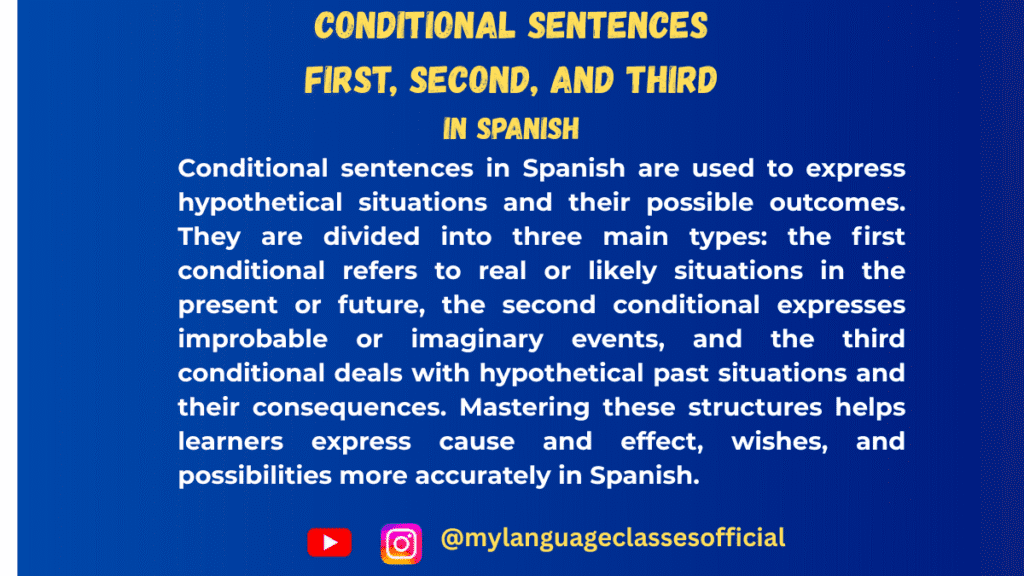
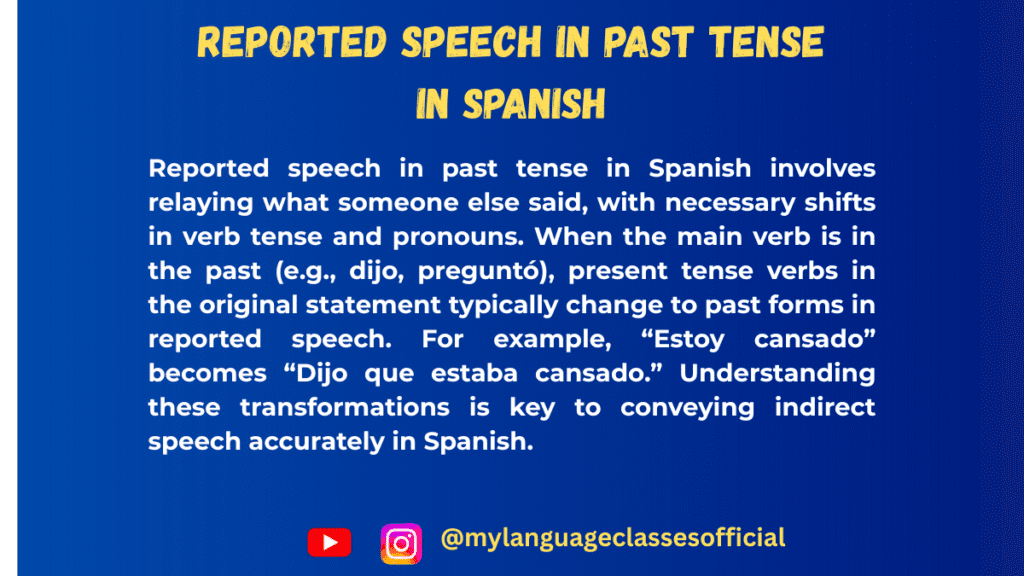
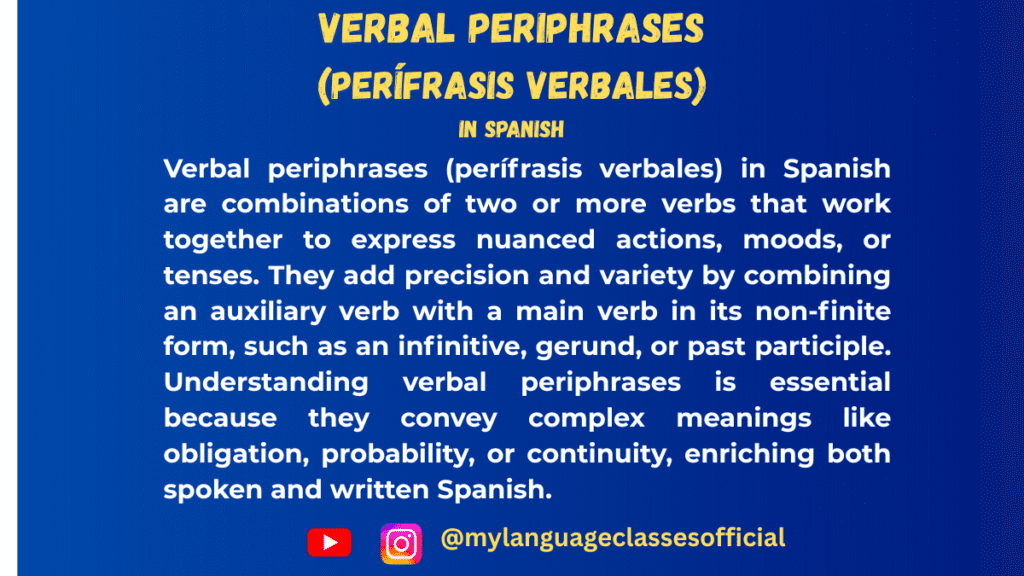
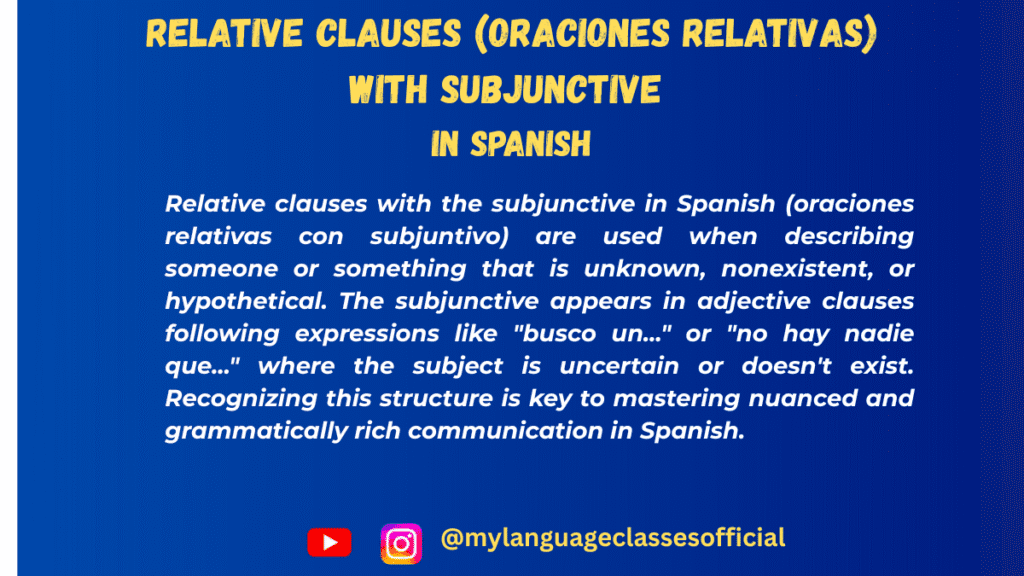
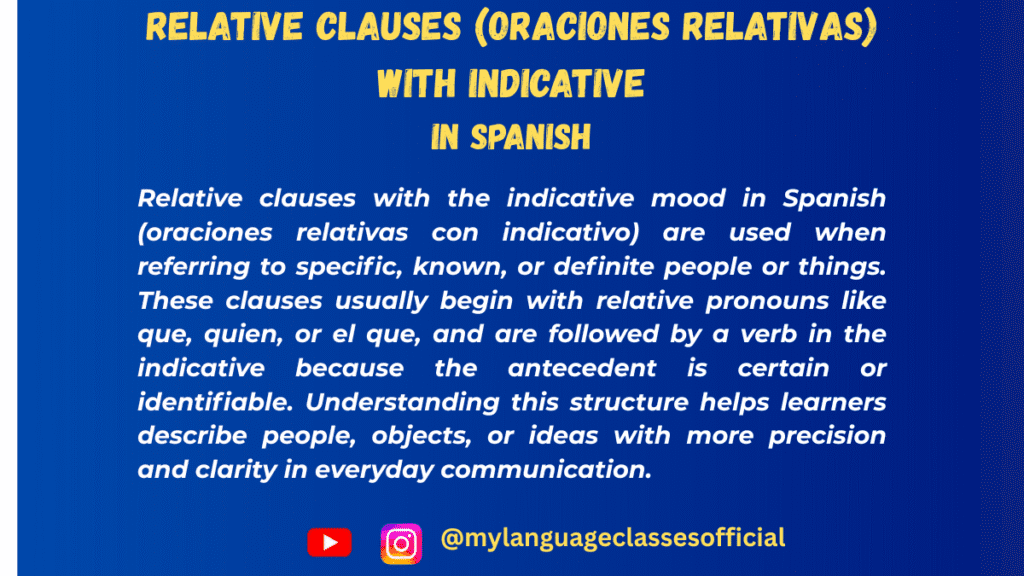
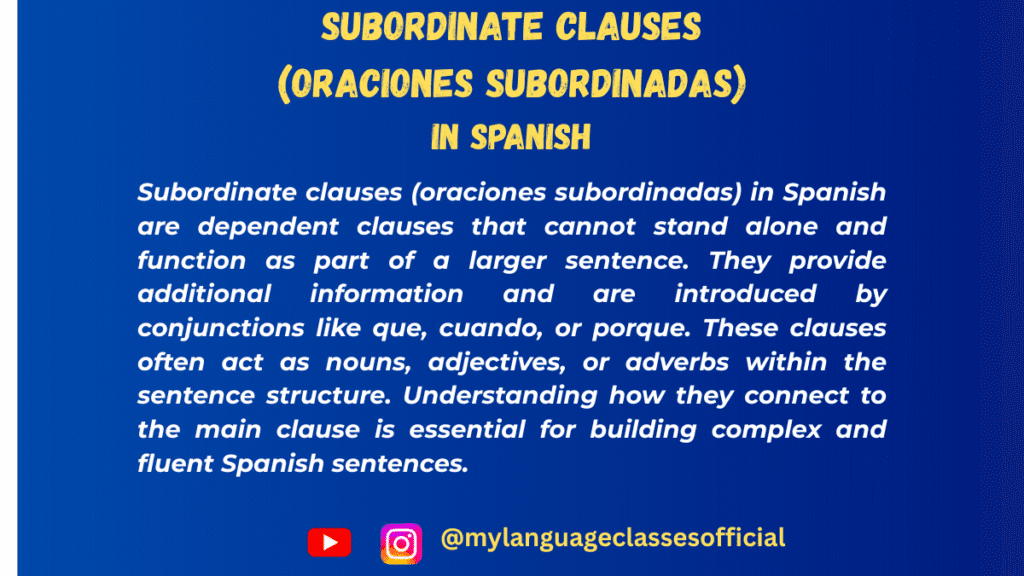
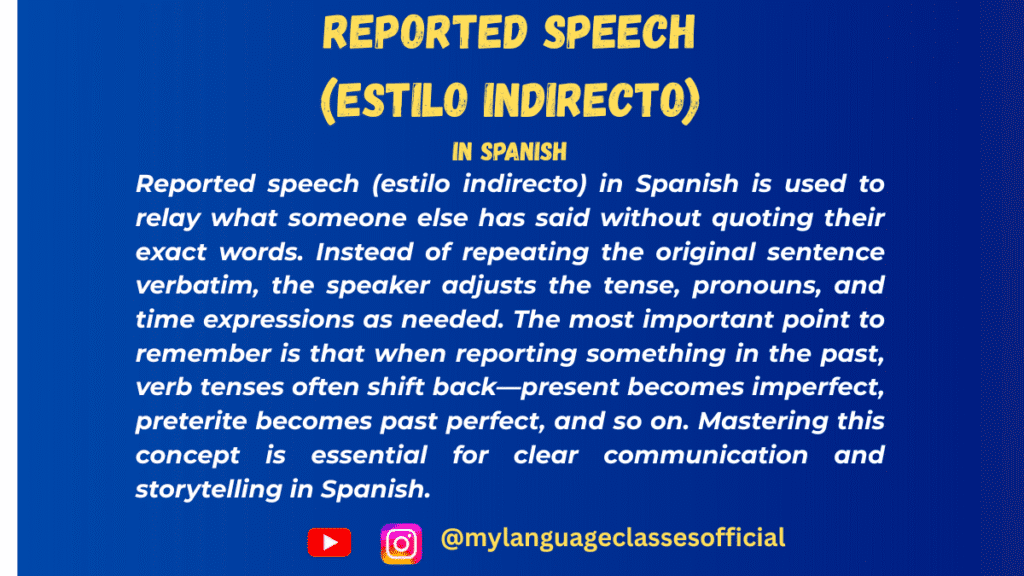
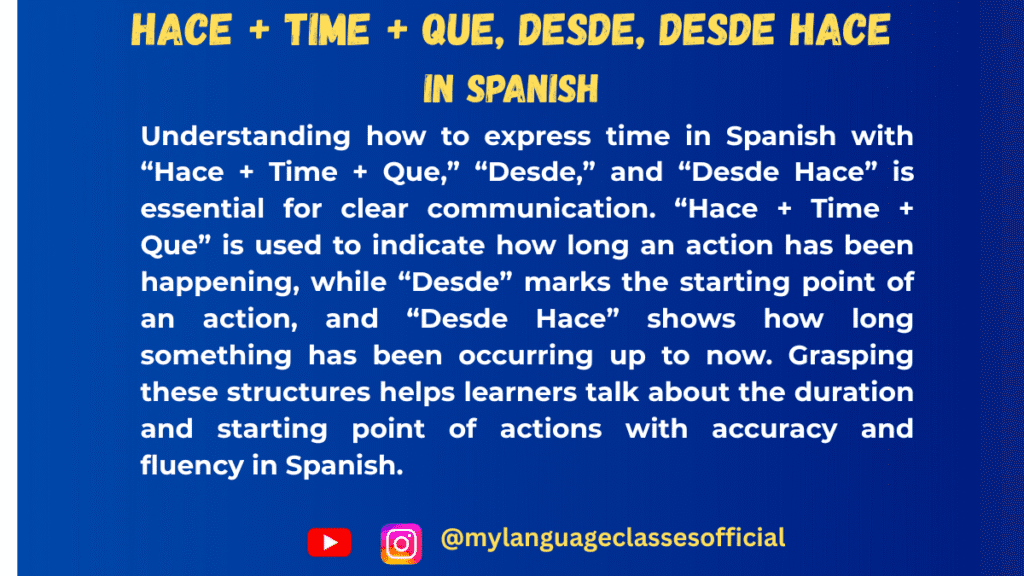
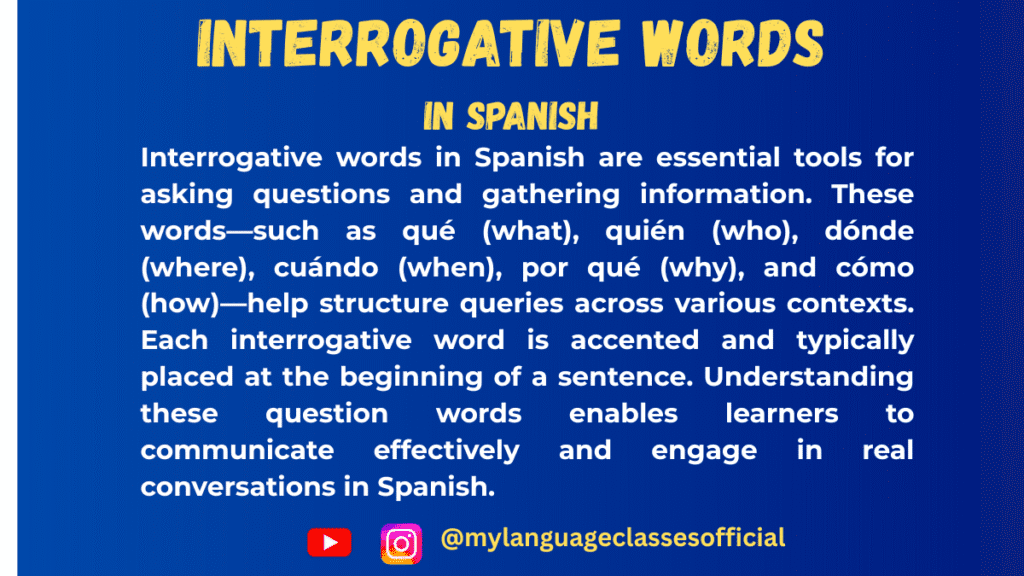
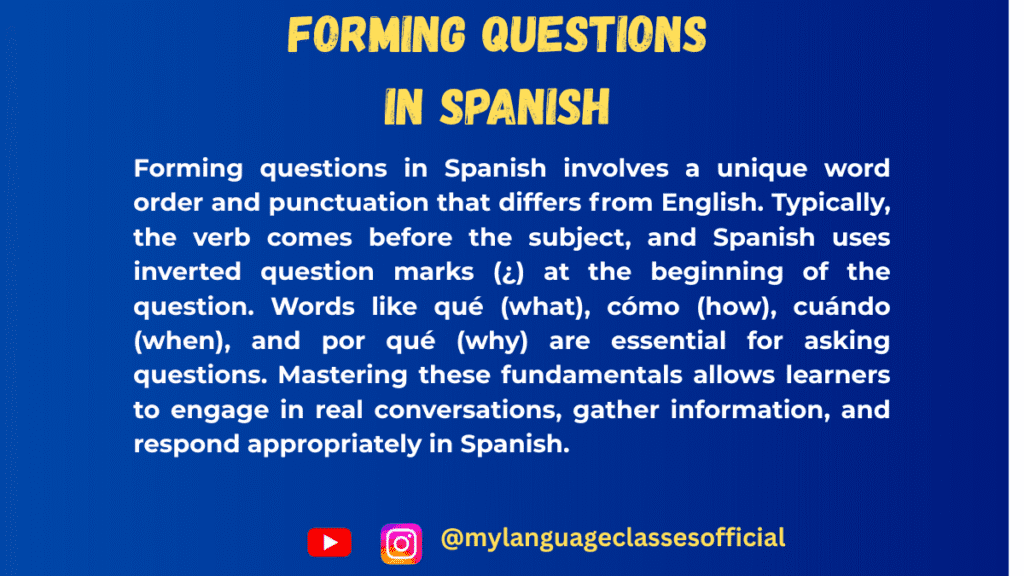
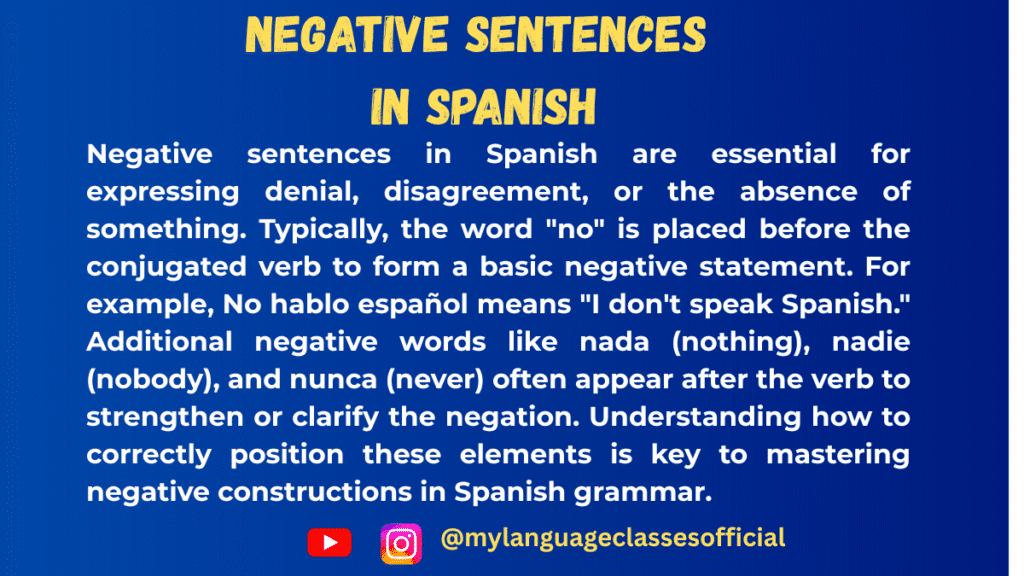
Learning Sentence Structures and Clauses in Spanish is key to building sentences that are clear and correct. Sentence structure refers to how words are arranged, while clauses are groups of words with a subject and verb. For example: María estudia (María studies) is a simple clause, while María estudia porque tiene un examen (María studies because she has an exam) combines clauses into a complex sentence. Understanding both will help you create Spanish sentences that flow naturally.
How Sentence Structures and Clauses in Spanish Work
Spanish sentences often follow a subject–verb–object order, but flexibility allows emphasis on different parts of the sentence. Clauses can be independent, such as Él come pan (He eats bread), or dependent, like cuando tiene hambre (when he is hungry). Lessons in this category explain how to connect clauses with conjunctions and use different sentence types. You’ll also find examples that show how native speakers use these structures in daily conversation.
Why Sentence Structures and Clauses in Spanish Are Important
Learning these complex topics helps you express complex ideas and improve fluency. Instead of only speaking in short sentences, you’ll learn to connect thoughts smoothly and report information accurately. These skills are useful for exams, professional communication, and everyday conversations. With lessons, examples, and exercises, you’ll gain the tools to build sentences that sound natural and confident.
Scroll down now to explore the latest lessons.