Category: Learn Spanish Beginner to Advanced
  • Spanish Subject Pronouns for Formal and Informal Address
  • Tú vs Usted in Spanish: What’s the Difference?
  • When Should You Use Subject Pronouns in Spanish?
  • Why Are Spanish Subject Pronouns Often Omitted?
  • Understanding Ser and Estar in Spanish
  • How to Use Ser and Estar Correctly
  • Ser vs Estar: What’s the Difference?
  • When to Use Ser and Estar in Spanish
  • Ser vs Estar Explained Clearly with Examples
  • Why English Question Structures Don’t Work in Spanish
  • How to Form Yes-or-No Questions in Spanish
  • How to Use Cuánto, Cuánta, Cuántos, and Cuántas in Spanish
  • Qué vs Cuál in Spanish
  • How to Use Cuál and Cuáles in Spanish
  • Por Qué vs Porque in Spanish
  • Cómo es vs Cómo está in Spanish
  • How to Use Cómo in Spanish
  • How to Use Cuándo in Spanish
  • Dónde vs Adónde in Spanish
  • How to Use Quién and Quiénes in Spanish
  • How to Use Qué in Spanish
  • Spanish Question Marks (¿ ?)
  • Two Types of Questions in Spanish
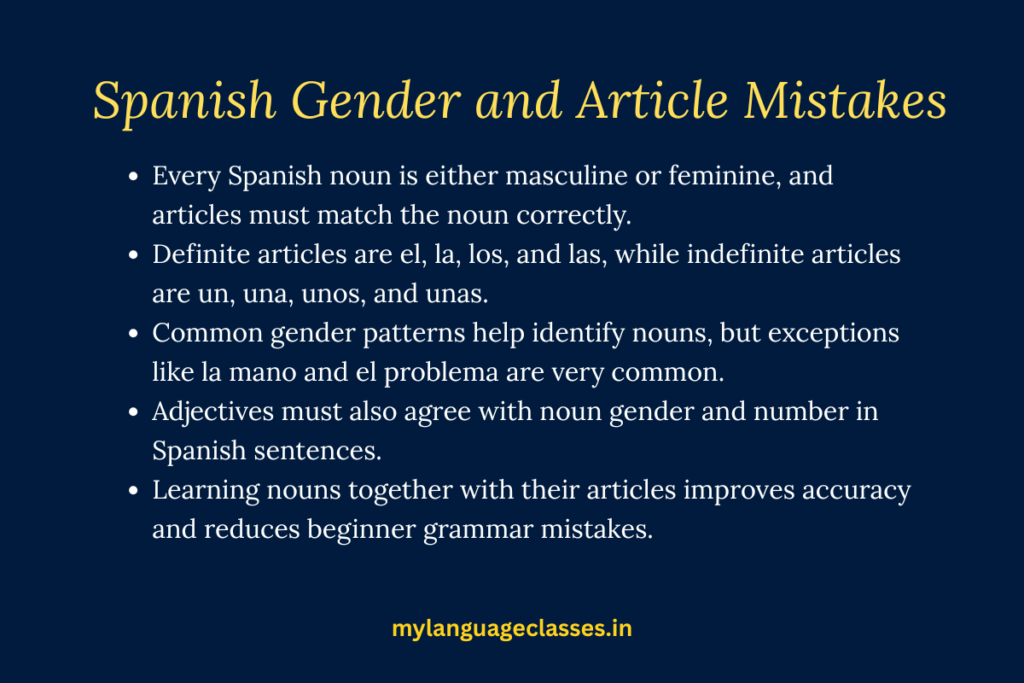
  • Common Mistakes With Spanish Gender and Articles | My Language Classes
  • 100 Essential Spanish Nouns for Beginners
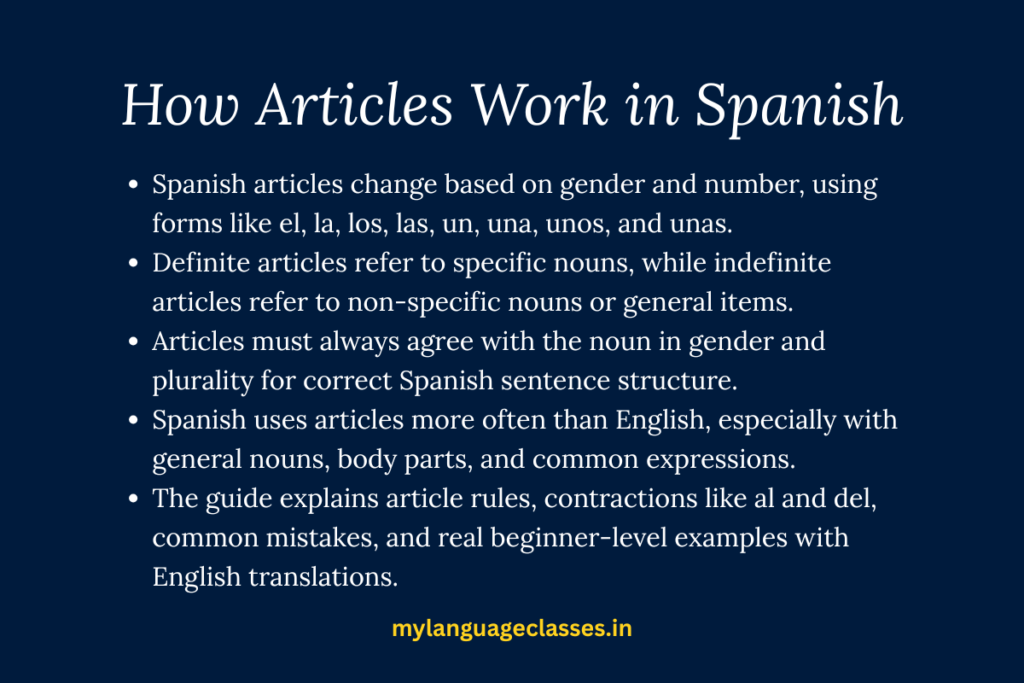
  • How Articles Work in Spanish: Definite & Indefinite Articles Guide | My Language Classes
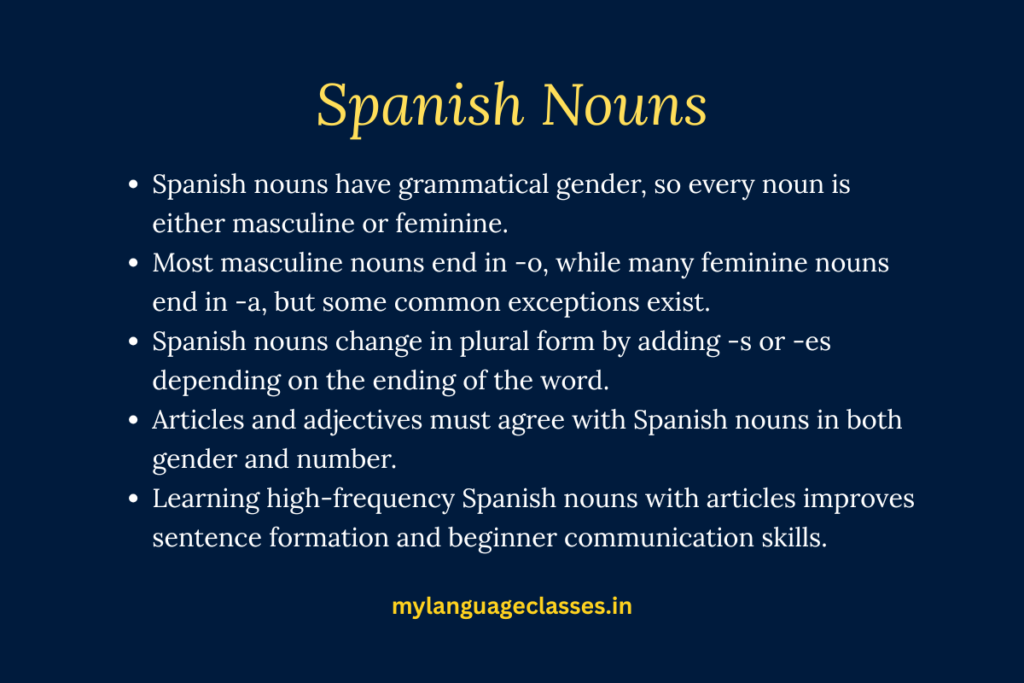
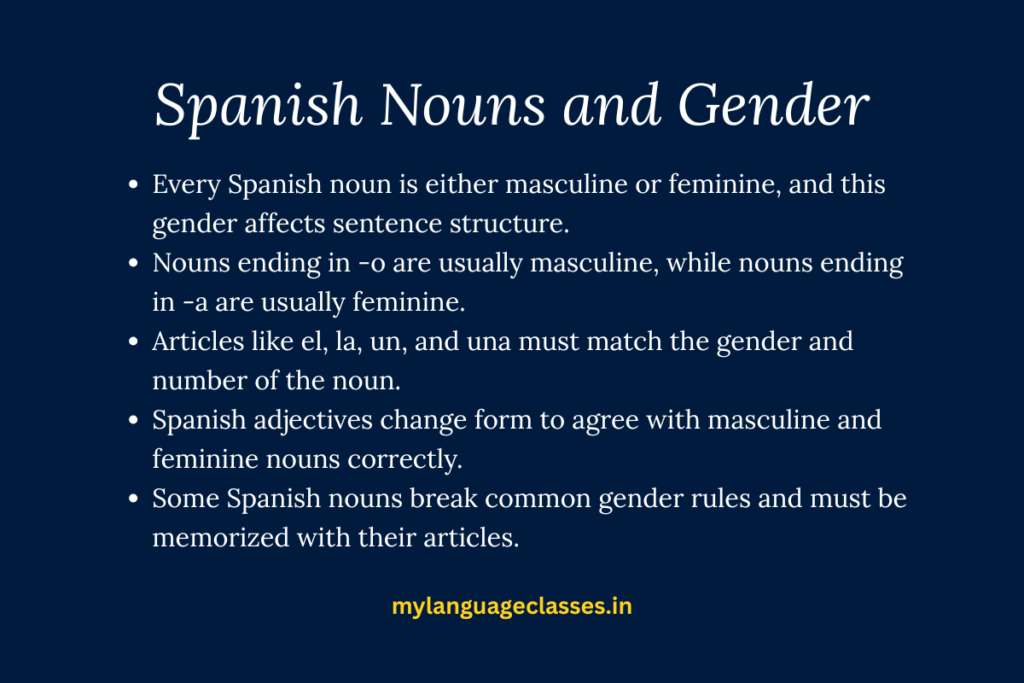
  • Spanish Nouns and Gender Explained Clearly | My Language Classes
  • Complete Spanish DELE A1 Course for Beginners: Grammar, Practice and Vocabulary
  • Complete Spanish DELE A1 Grammar Guide for Beginners: Rules, Examples and Practice
  • Spanish DELE A1 FAQs: Complete Guide for Beginners
  • How Should Beginners Practice Spanish Grammar for DELE A1
  • What Grammar Is Required for Spanish DELE A1
  • Can You Pass Spanish DELE A1 Through Self-Study
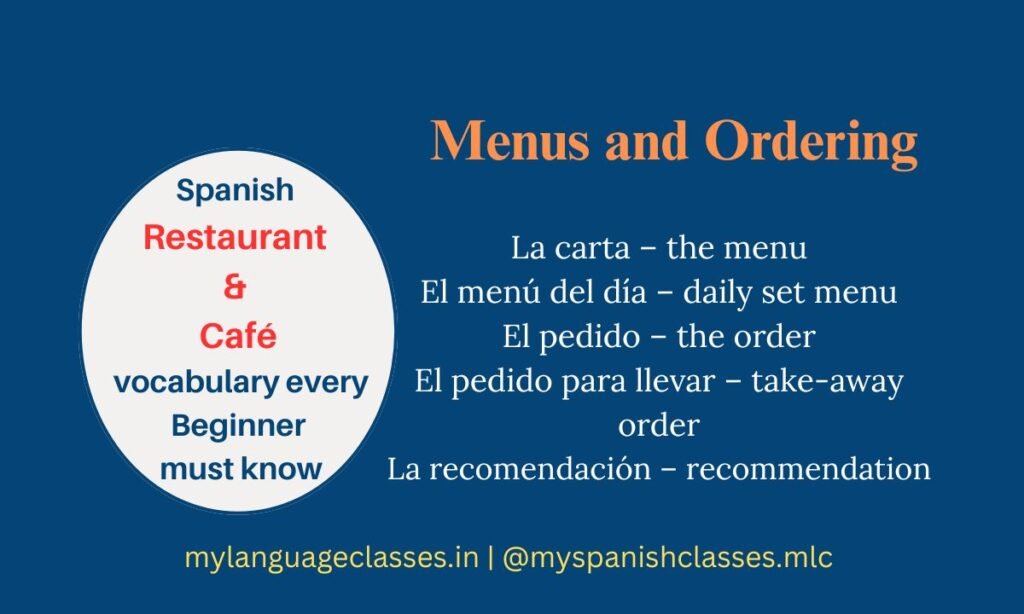
  • 25 Spanish Restaurant and Café Vocabulary Every Beginner Must Know
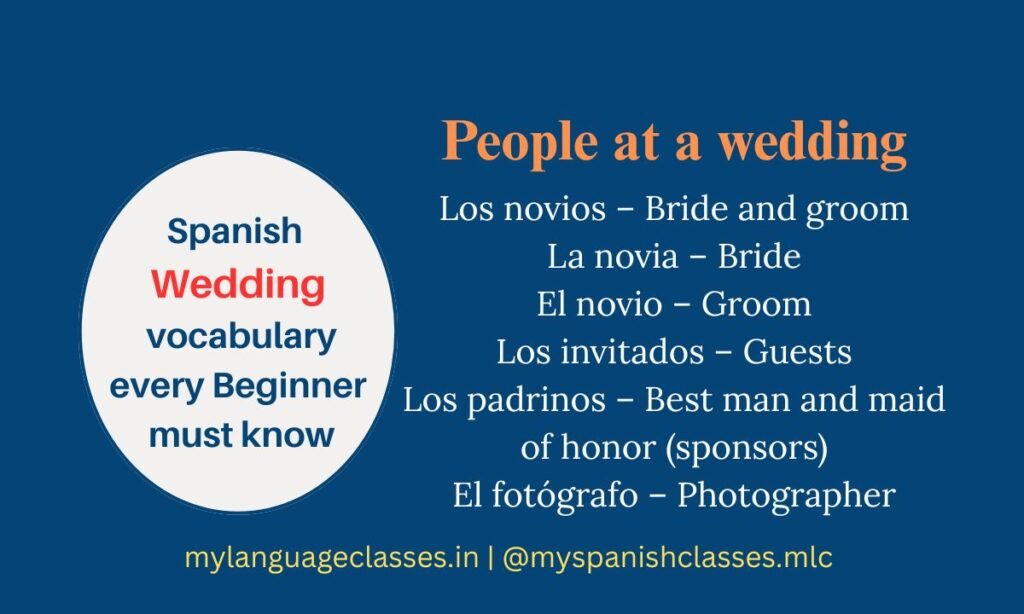
  • 25 Spanish Wedding vocabulary every beginner must know
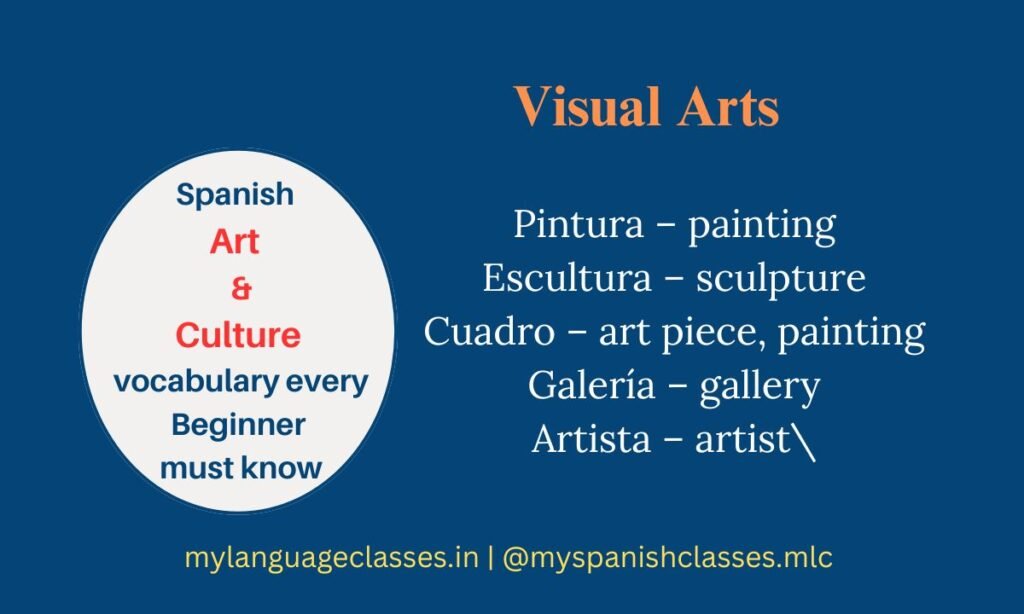
  • 25 Spanish Art and Culture Vocabulary Every Beginner Must Know
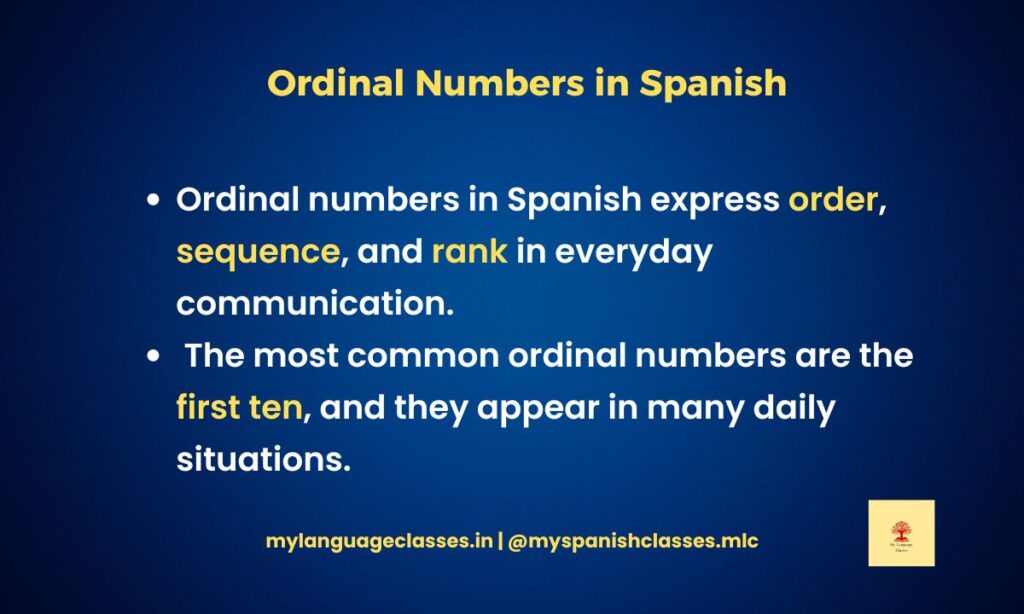
  • Ordinal Numbers in Spanish: Complete Beginner Guide
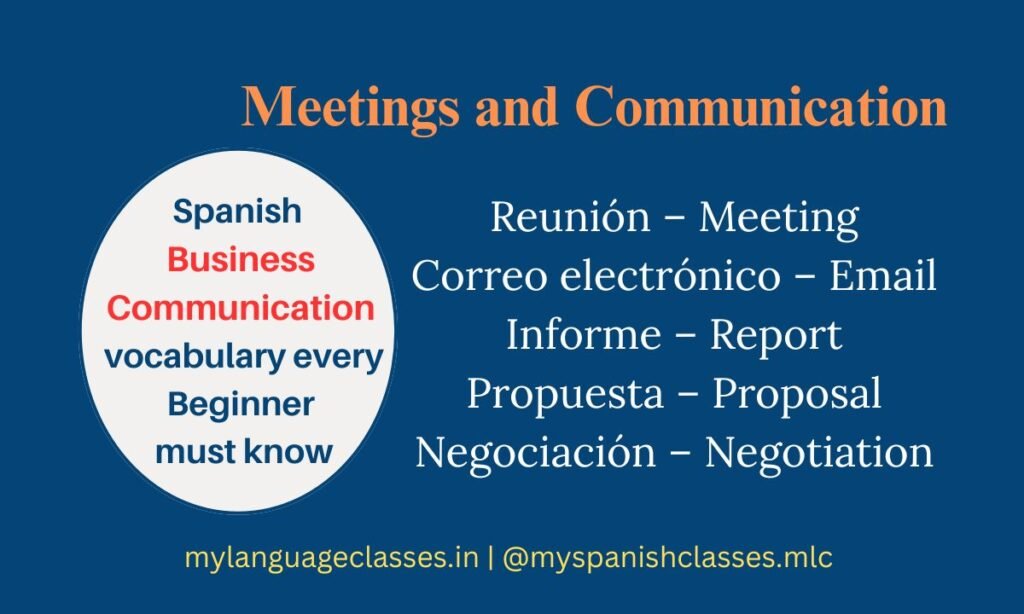
  • 25 Spanish Business Communication Vocabulary Every Beginner Must Know
  • Cardinal Numbers in Spanish: A Clear and Practical Beginner Guide
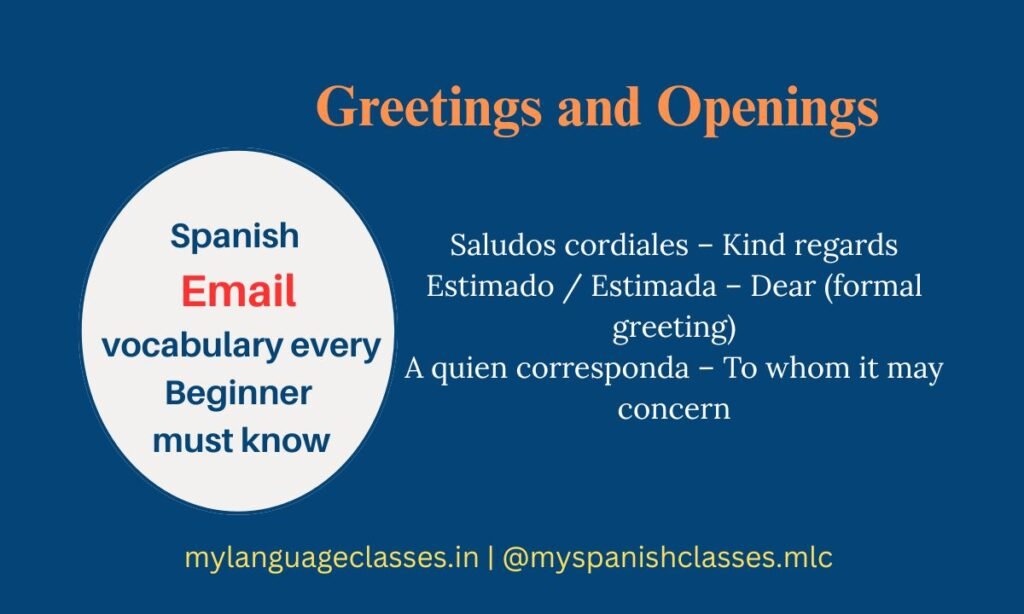
  • 25 Spanish Email Vocabulary Every Beginner Must Know
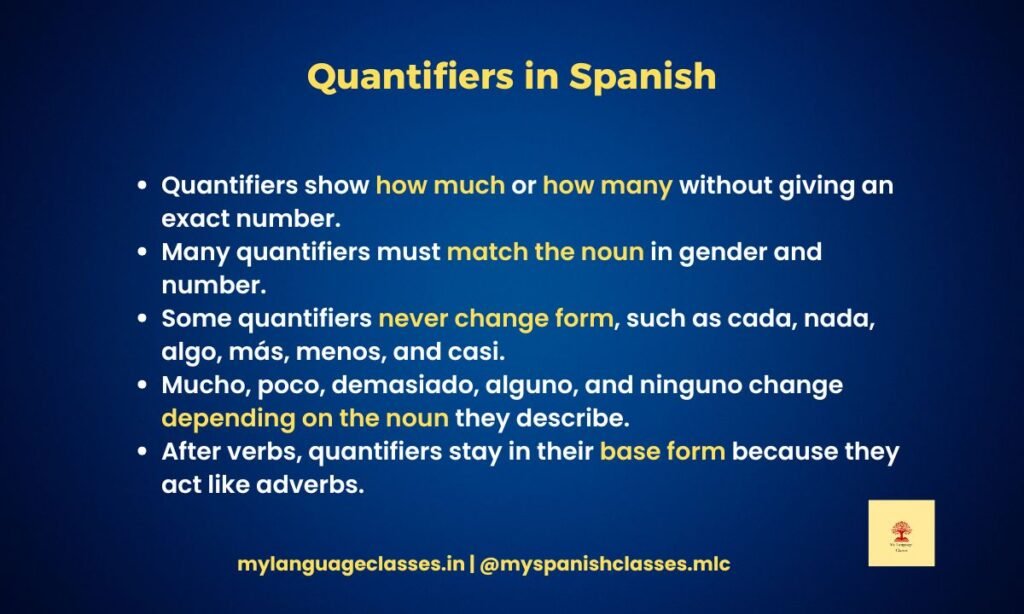
  • The Complete Guide on Quantifiers in Spanish:  Rules, Examples and Exercise
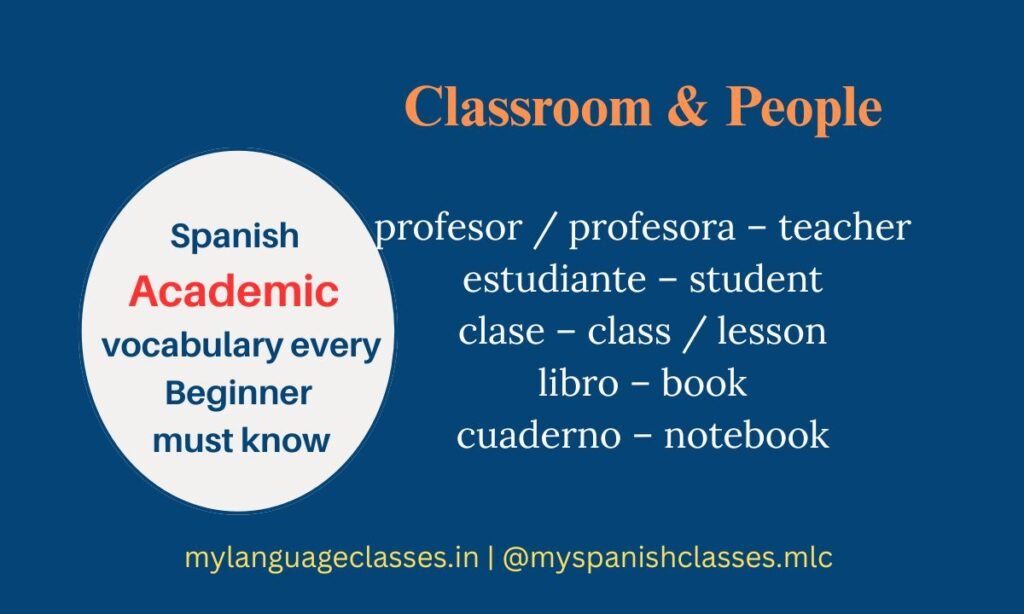
  • 25 Spanish Academic Vocabulary Every Beginner Must Know
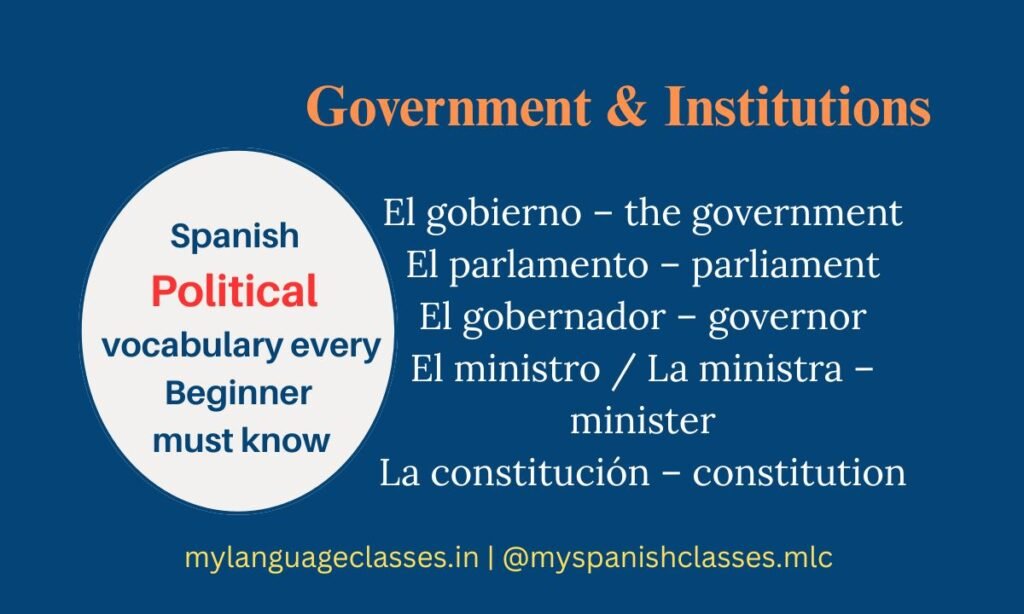
  • 25 Spanish Political Vocabulary Every Beginner Must Know
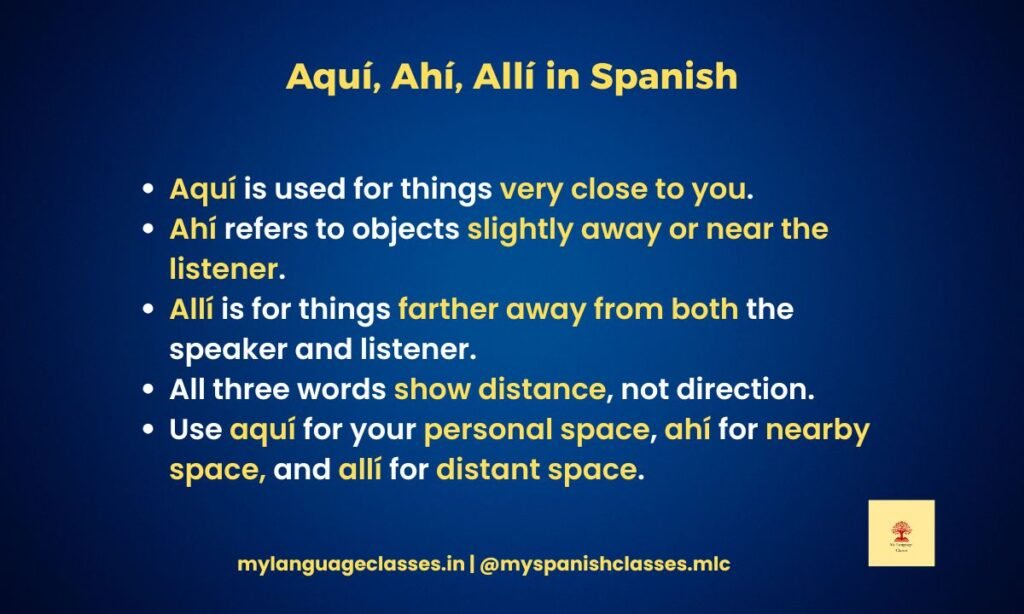
  • Aquí, Ahí, Allí in Spanish Explained for Beginners
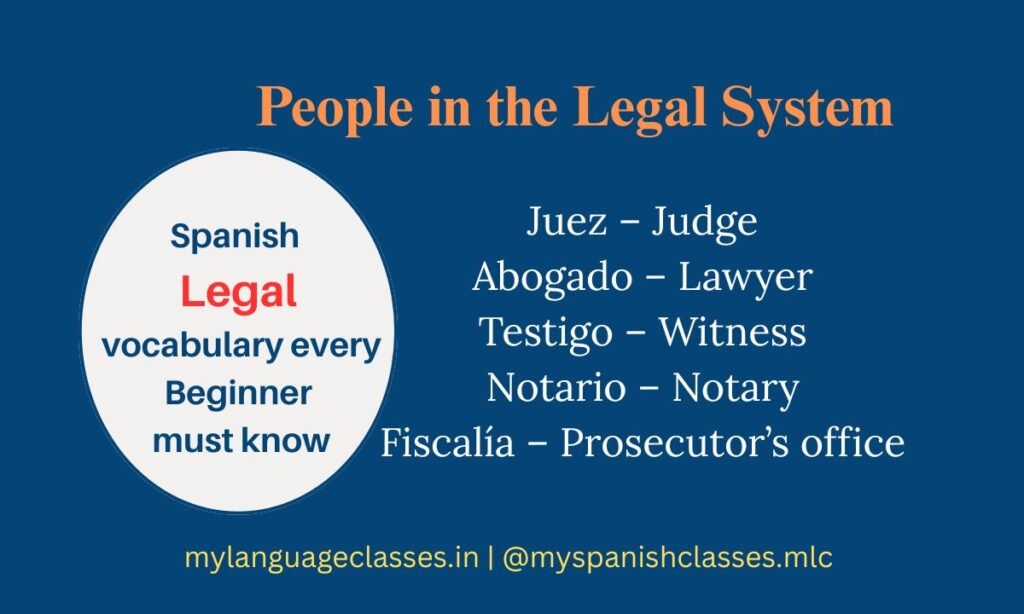
  • 25 Spanish Legal Vocabulary Every Beginner Must Know
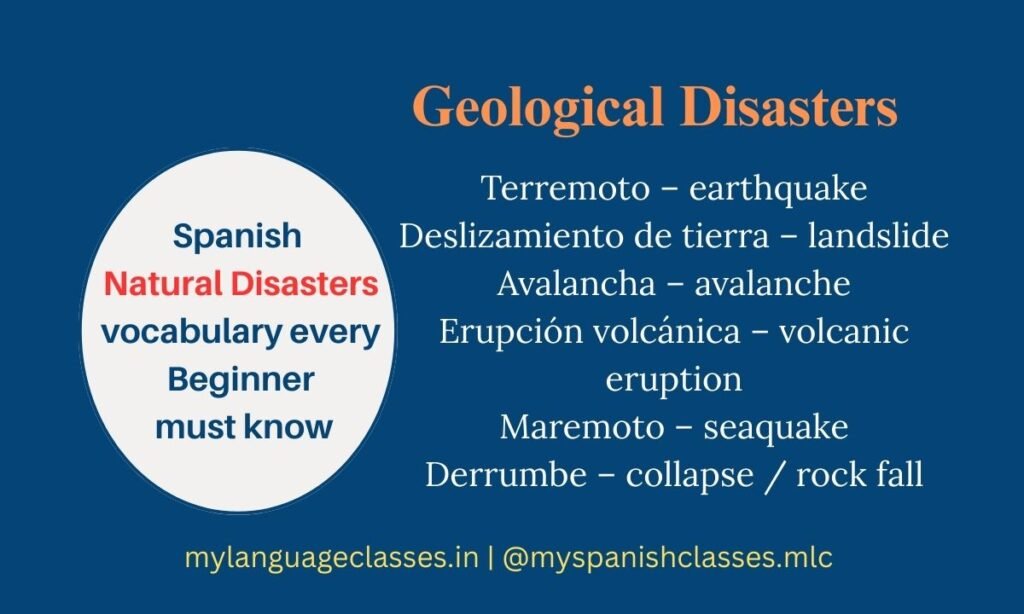
  • 25 Spanish Natural Disasters vocabulary Every Beginner Must Know
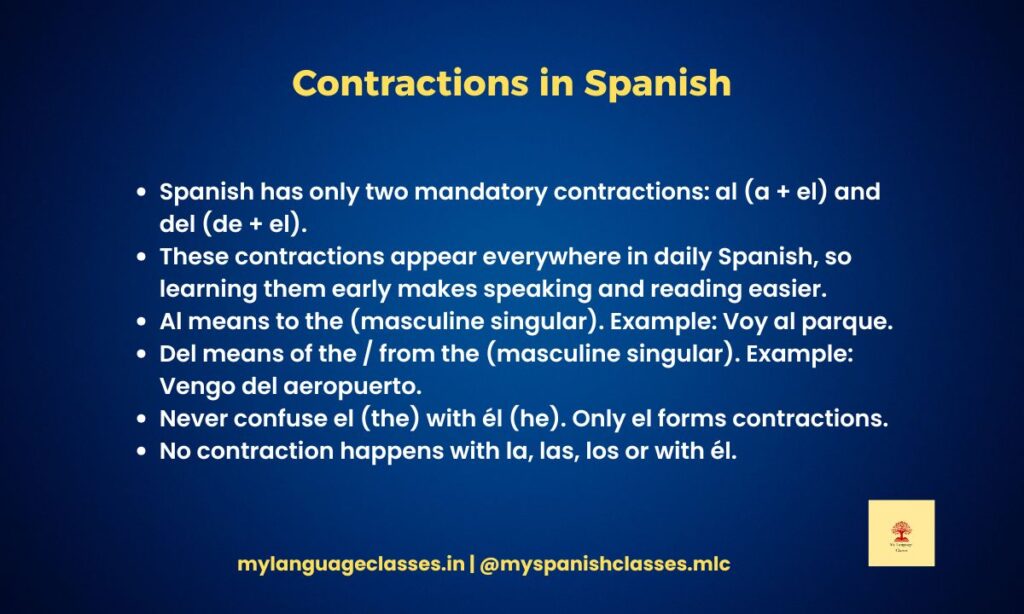
  • Contractions in Spanish: Grammar Rules, Usage & Easy Examples
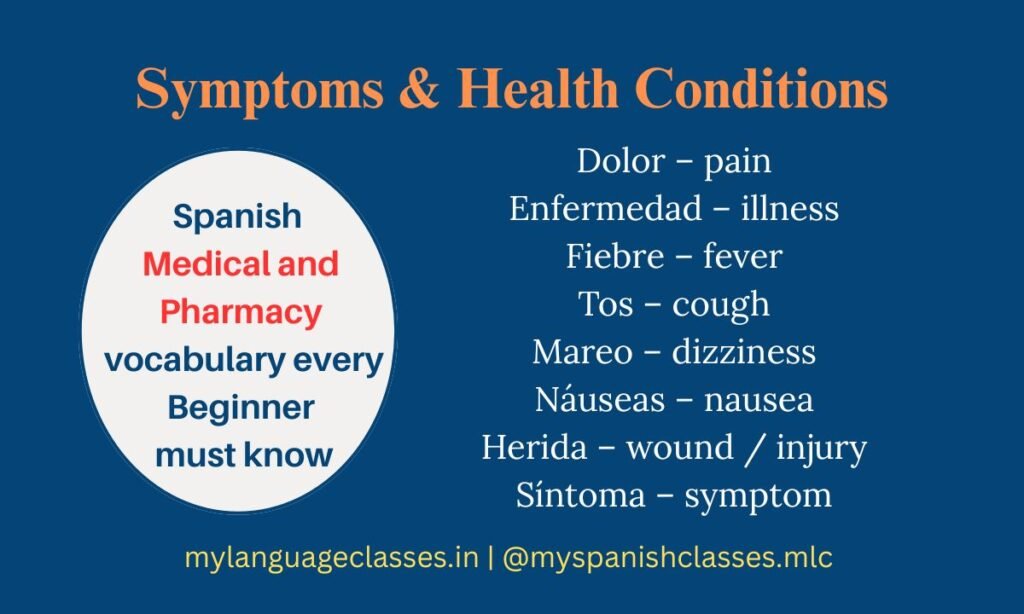
  • 25 Spanish Medical and Pharmacy Vocabulary Every Beginner Must Know
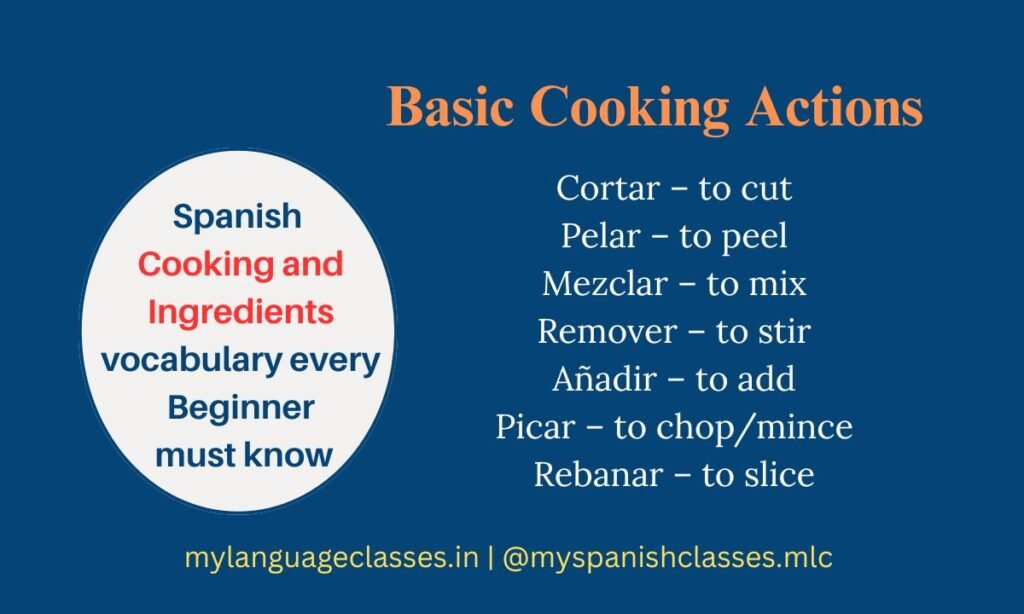
  • 25 Spanish Cooking Techniques and Ingredients Vocabulary Every Beginner Must Know
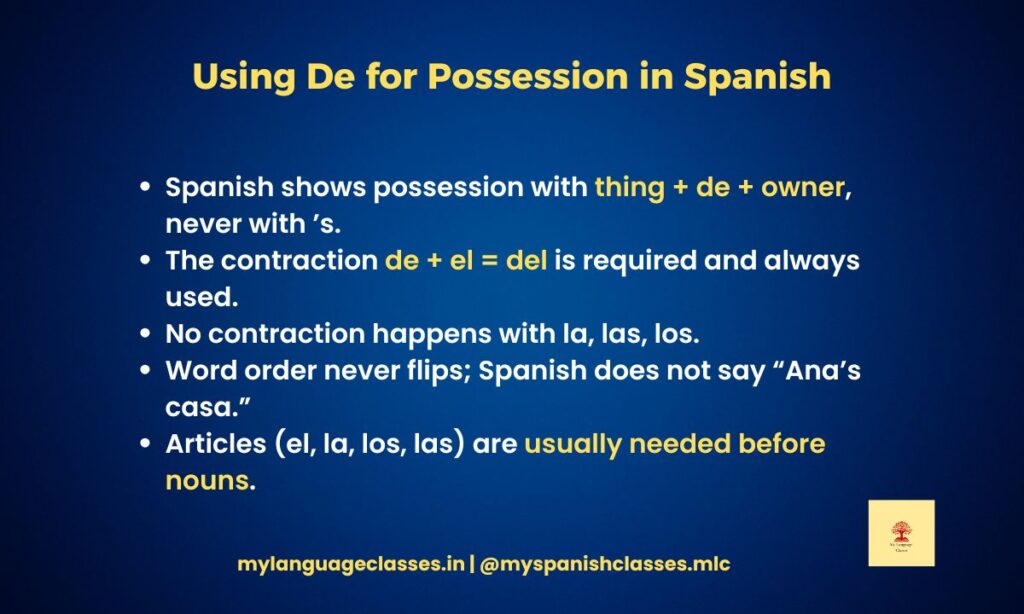
  • Using De for Possession in Spanish: Complete Guide with Rules, Examples, Real-Life Usage and Exercise

Welcome to the Spanish section of My Language Classes—your go-to space for learning Spanish at every level! Whether you’re just getting started, building your confidence, or mastering the finer points of the language, we’ve got you covered.

This category is divided into three learner-friendly levels:

🔹 Spanish – Beginner: Start from the basics with easy grammar lessons, essential vocabulary, and everyday phrases.

Read here: https://mylanguageclassesblog.wordpress.com/category/spanish/spanish-beginner/

🟠 Spanish – Intermediate: Take your skills further with more complex grammar, practical expressions, and engaging exercises.

Read here: https://mylanguageclassesblog.wordpress.com/category/spanish/spanish-intermediate/

🔴 Spanish – Advanced: Reach fluency with advanced grammar, idioms, cultural context, and real-world usage for confident communication.
Read here: https://mylanguageclassesblog.wordpress.com/category/spanish/spanish-advanced/

Each subcategory is designed to guide you step by step—no matter where you are in your Spanish learning journey. Let’s make learning Spanish effective, fun, and motivating. ¡Empecemos!✨

Here you’ll find everything you need to master Spanish—from beginner basics to advanced grammar and fluency tools. Explore categories covering vocabulary, verbs, tenses, sentence structure, idioms, exercises, and real-life conversation examples. Perfect for learners at all levels, from A1 to C2.