

Verb types in English form the backbone of sentence structure and meaning. Every complete sentence requires a verb, yet not all verbs function in the same way. Therefore, understanding verb types in English is essential for building grammatically correct and meaningful sentences.
Verbs express actions, states, possibilities, and relationships between ideas. As a result, choosing the correct verb type directly affects clarity, tone, and accuracy. Learners often struggle not because verbs are complex, but because different verb types follow different rules.
This guide explains all major verb types in English in a structured and practical way, helping learners understand how verbs work across contexts.
What Are Verbs in English?
Verbs in English are words that describe actions, states, or occurrences. They tell us what the subject does, what happens to the subject, or what condition the subject is in. Therefore, verbs are essential for forming complete sentences.
For example, a verb can show physical action, mental activity, possession, obligation, or possibility. In addition, verbs interact closely with tense, voice, and sentence structure.
Because verbs carry meaning and structure together, understanding their types is critical for accurate grammar and effective communication.
Why Verb Types Matter in English Grammar
Different verb types follow different grammatical rules. Some verbs take objects, while others do not. Some verbs change meaning based on structure, while others depend on additional verbs.
As a result, using the wrong verb type often leads to grammatical errors or unclear sentences. In academic writing, professional communication, and exams, such errors reduce clarity and credibility.
Mastering verb types helps learners:
- Construct accurate sentences
- Choose correct verb forms
- Avoid common grammar mistakes
- Improve fluency and precision
Major Types of Verbs in English
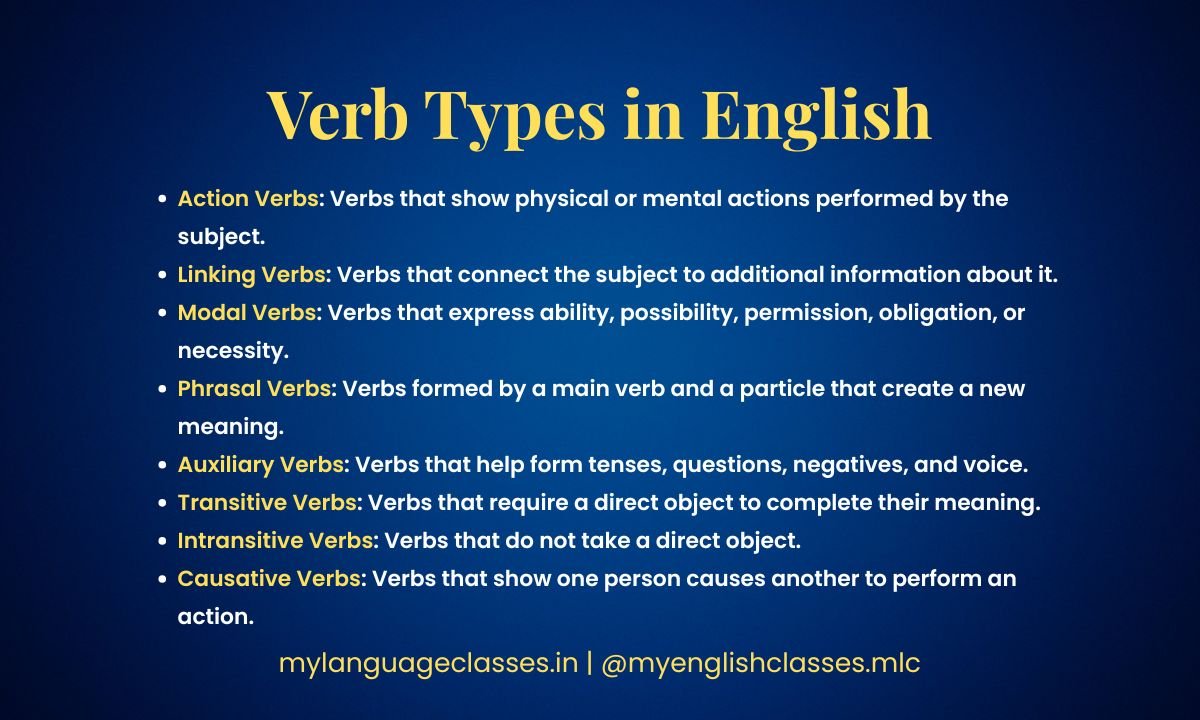
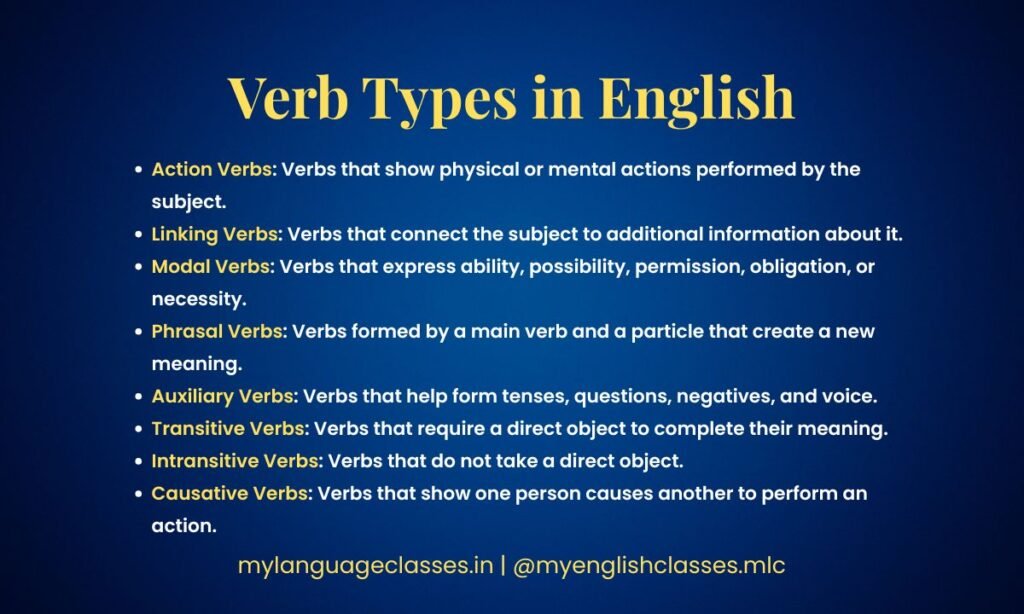
English verbs are classified based on how they function in a sentence. Each category serves a specific grammatical role and follows distinct usage rules.
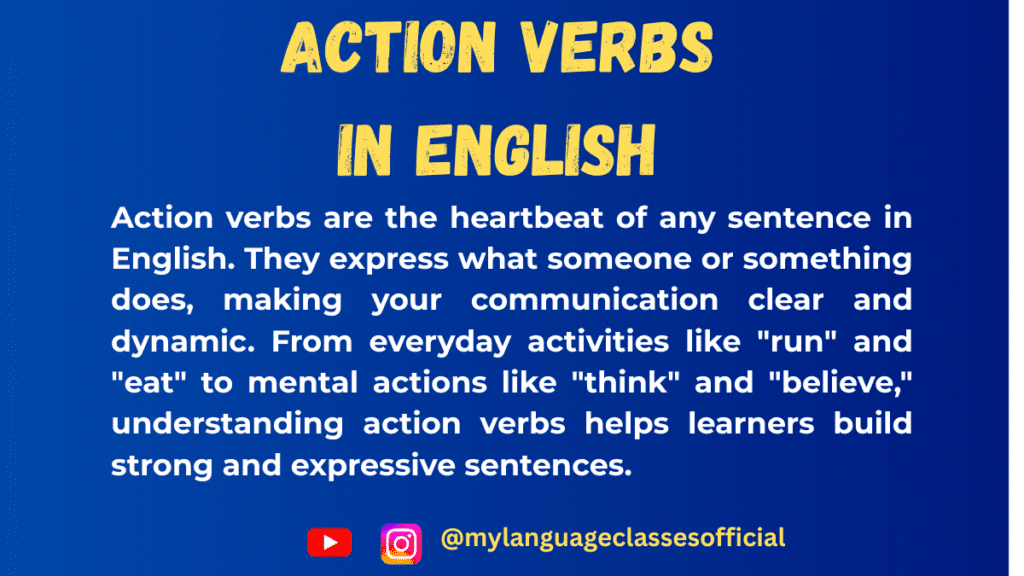
Action Verbs
Action verbs describe physical or mental actions performed by the subject. They answer the question “What is happening?”
Examples
- She writes every day.
- They discussed the issue carefully.
Action verbs can be used in continuous tenses and often change form based on tense and subject.
👉Read the full guide here Action Verbs in English: Grammar Rules, Usage & Examples
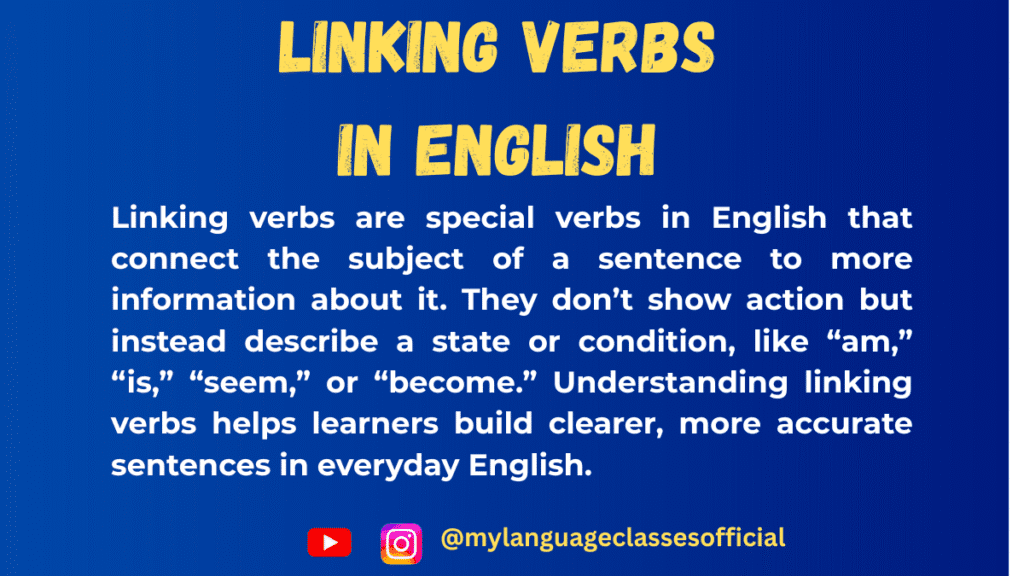
Linking Verbs
Linking verbs do not show action. Instead, they connect the subject to additional information about the subject. Common linking verbs include forms of be, seem, become, and appear.
Examples
- He is confident.
- The plan seems effective.
Linking verbs are followed by subject complements, not objects.
👉Read the full guide here Linking Verbs in English: Grammar Rules, Usage & Examples
Modal Verbs
Modal verbs express ability, possibility, permission, obligation, or necessity. Common modal verbs include can, could, may, might, must, should, and will.
Examples
- She can solve the problem.
- You must follow the rules.
Modal verbs do not change form and are always followed by a base verb.
👉Read the full guide here Modal Verbs in English: Complete Guide with Rules, Examples & Exercises
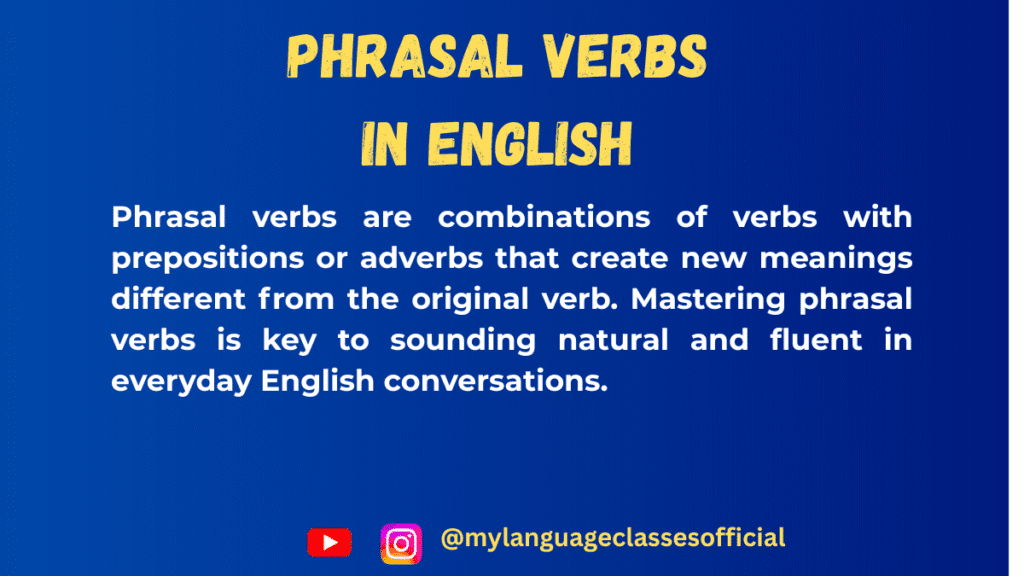
Phrasal Verbs
Phrasal verbs consist of a main verb combined with a particle or preposition. Together, they create a meaning different from the original verb.
Examples
- He gave up early.
- She looked into the matter.
Phrasal verbs are common in spoken English and informal writing, making them essential for fluency.
👉Read the full guide here Phrasal Verbs in English: Grammar Rules, Usage & Examples
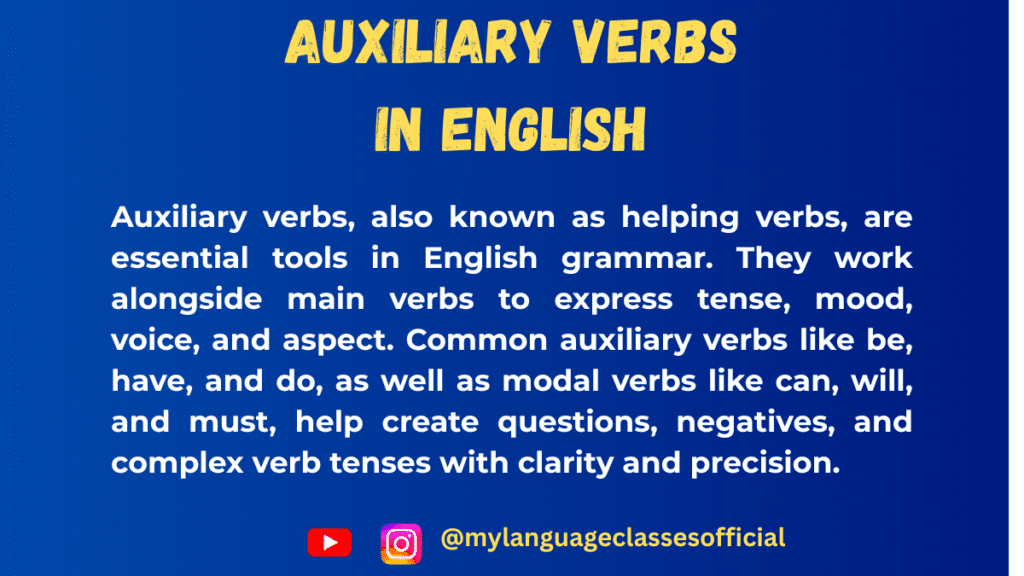
Auxiliary Verbs
Auxiliary verbs help form tenses, voices, and questions. The primary auxiliary verbs are be, have, and do.
Examples
- She has completed the task.
- They are working late.
Auxiliary verbs support main verbs and are necessary for accurate tense formation.
👉Read the full guide here Auxiliary Verbs in English: Grammar Rules, Usage & Examples
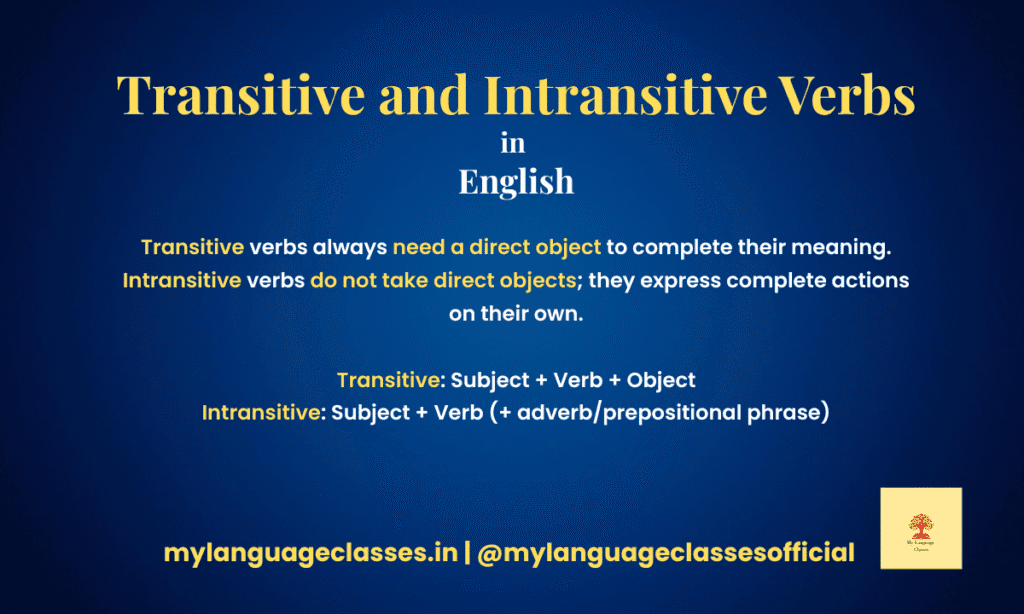
Transitive and Intransitive Verbs
Transitive verbs require an object to complete their meaning. Intransitive verbs do not take an object.
Examples
- She read the report. (Transitive)
- He arrived early. (Intransitive)
Understanding this distinction helps learners avoid incomplete or awkward sentences.
👉Read the full guide here Transitive and Intransitive Verbs in English: Complete Guide with Rules, Examples & Exercises
Stative Verbs
Stative verbs describe states, conditions, emotions, or possession rather than actions. They are generally not used in continuous tenses.
Examples
- She knows the answer.
- They own the property.
Stative verbs contrast with action verbs, which describe dynamic activities.
👉Read the full guide here Stative Verbs vs Action Verbs in English: Grammar Rules, Usage & Examples
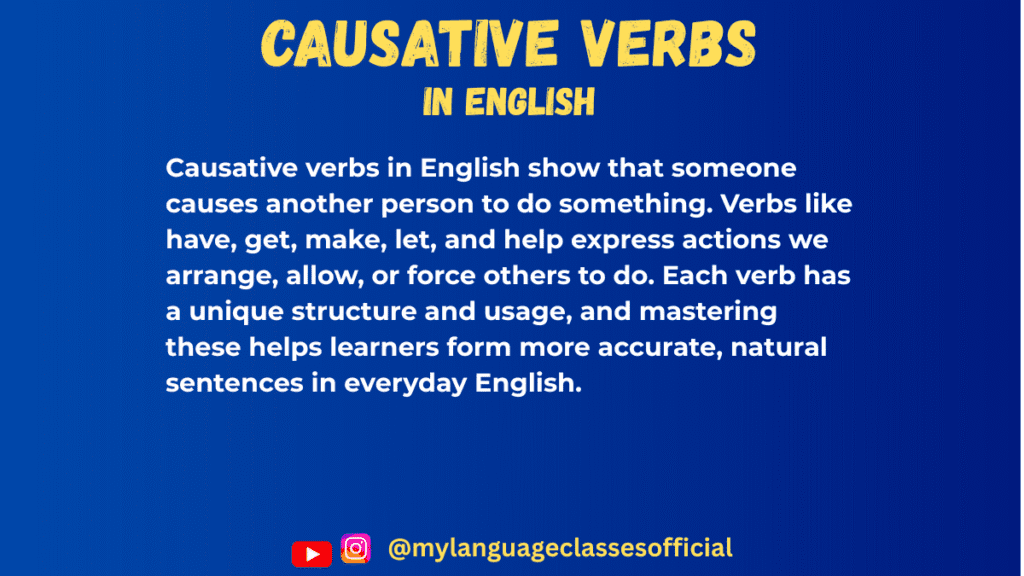
Causative Verbs
Causative verbs show that one person causes another person to do something. Common causative verbs include make, have, get, and let.
Examples
- She made him apologize.
- They had the house cleaned.
Causative structures are common in professional and everyday English.
👉Read the full guide here Causative Verbs in English: Grammar Rules, Usage & Examples
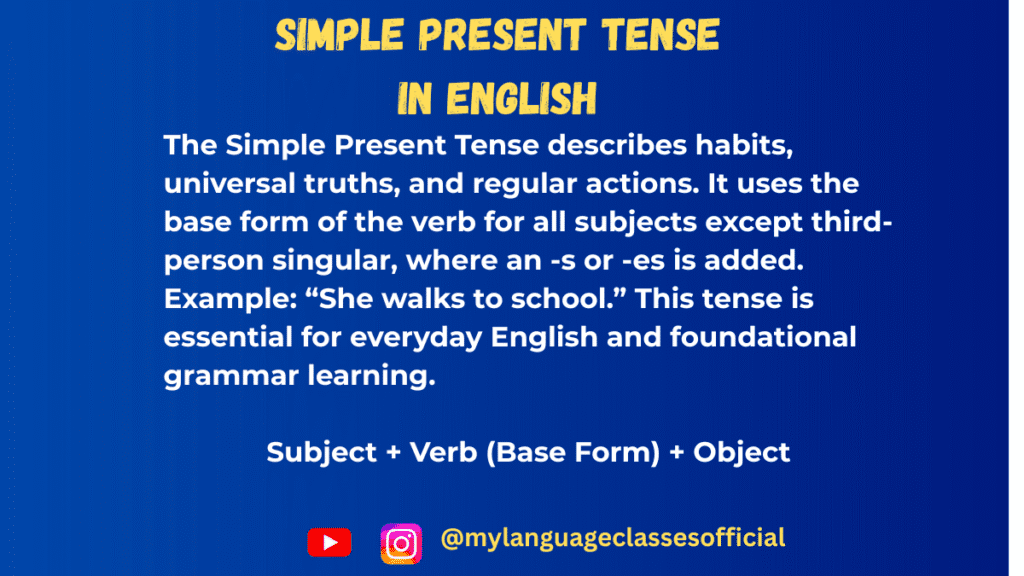
- Simple Present Tense in English: Grammar Rules, Usage & Examples

- Present Perfect Tense in English: Grammar Rules, Usage & Examples
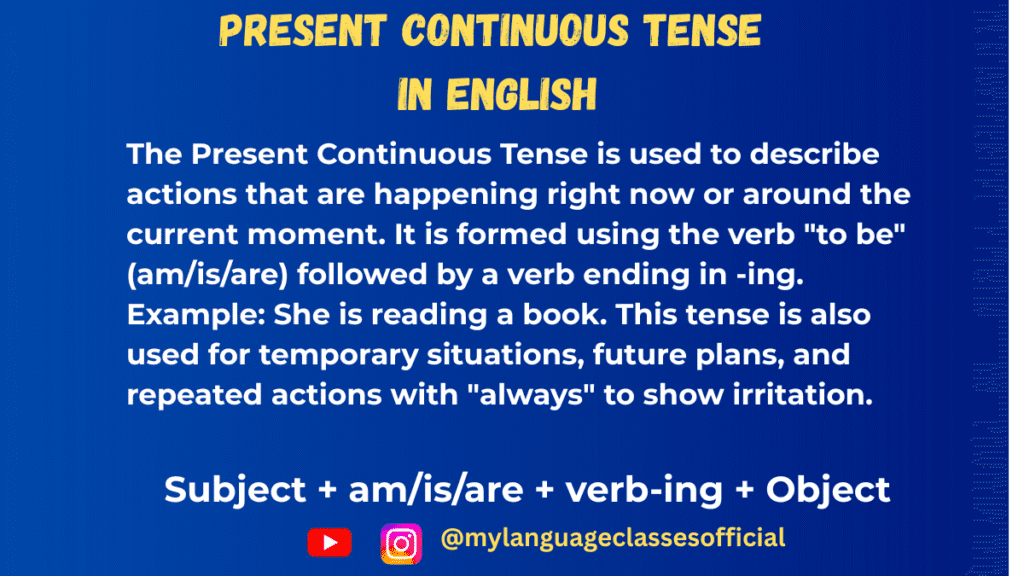
- Present Continuous Tense in English: Grammar Rules, Usage & Examples
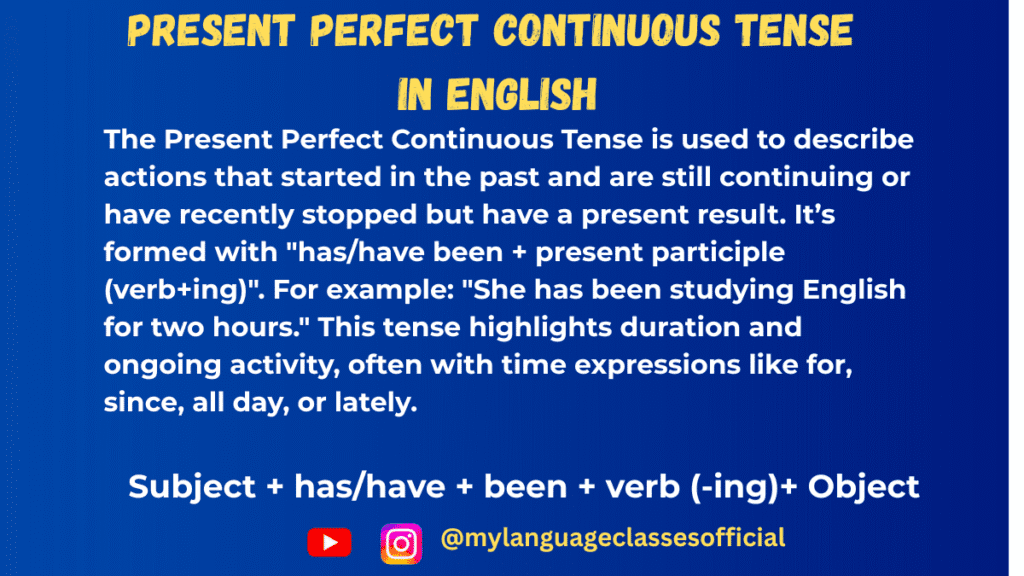
- Present Perfect Continuous Tense in English: Grammar Rules, Usage & Examples
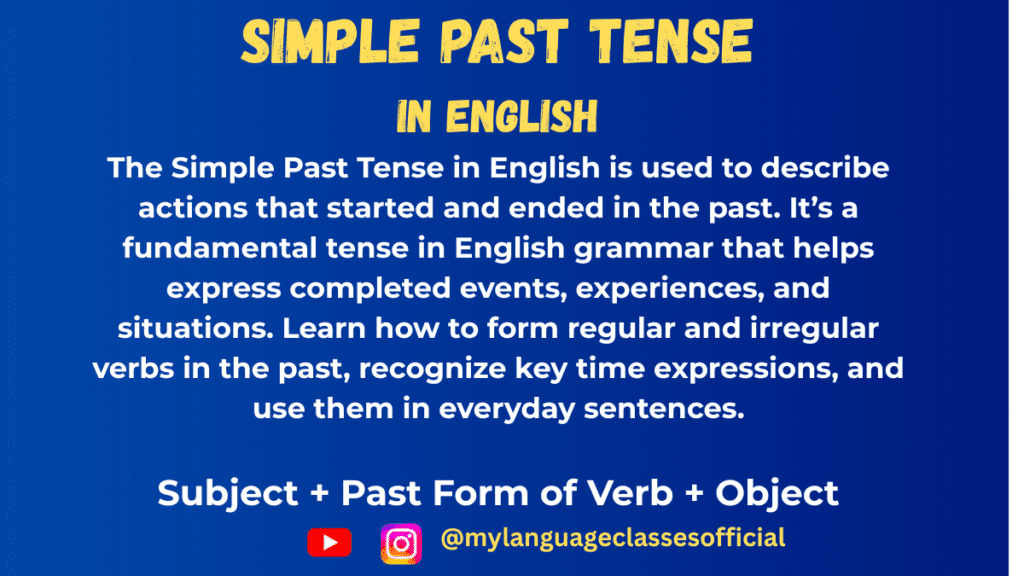
- Simple Past Tense in English: Grammar Rules, Usage & Examples
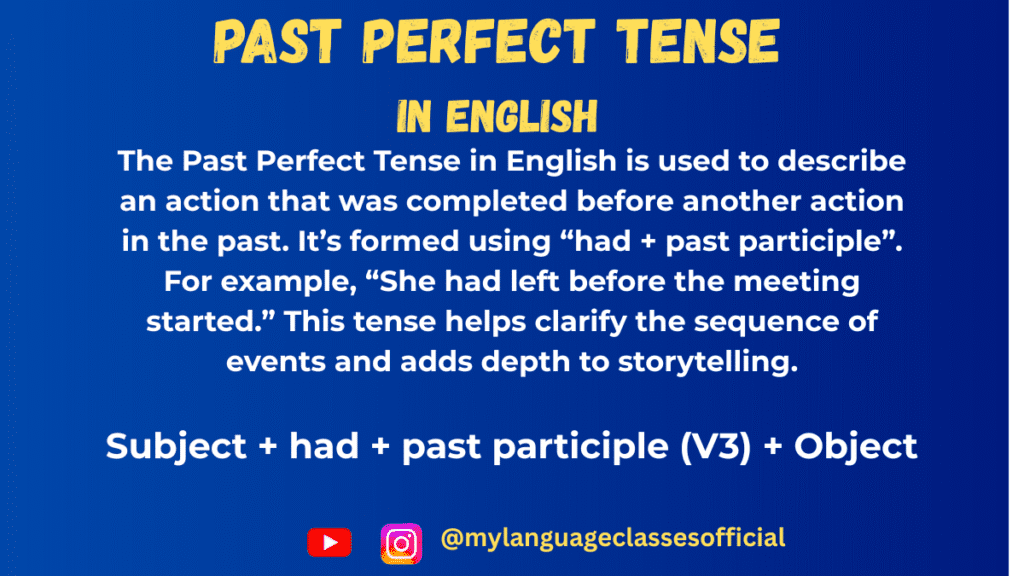
- Past Perfect Tense in English: Grammar Rules, Usage & Examples
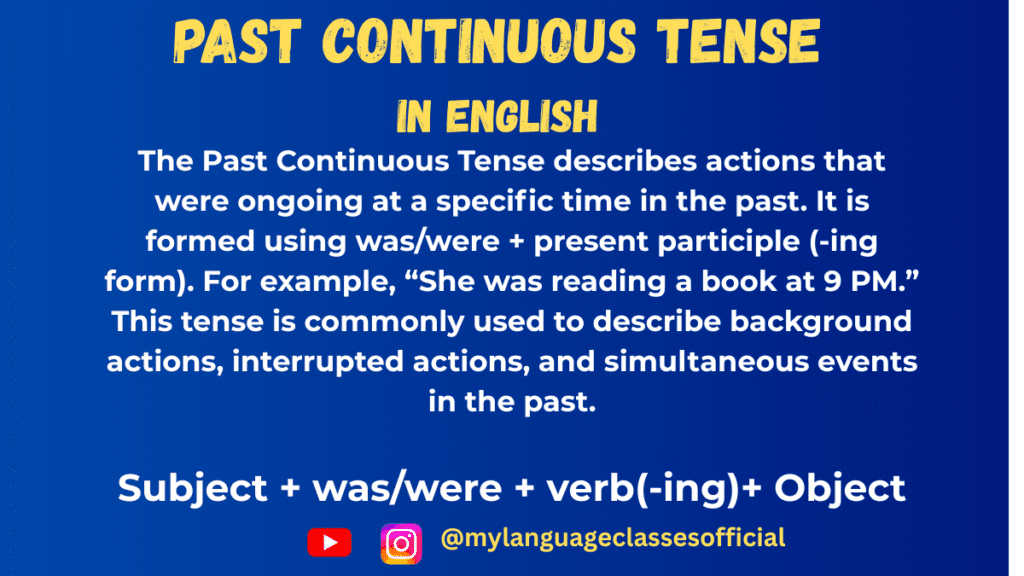
- Past Continuous Tense in English: Grammar Rules, Usage & Examples
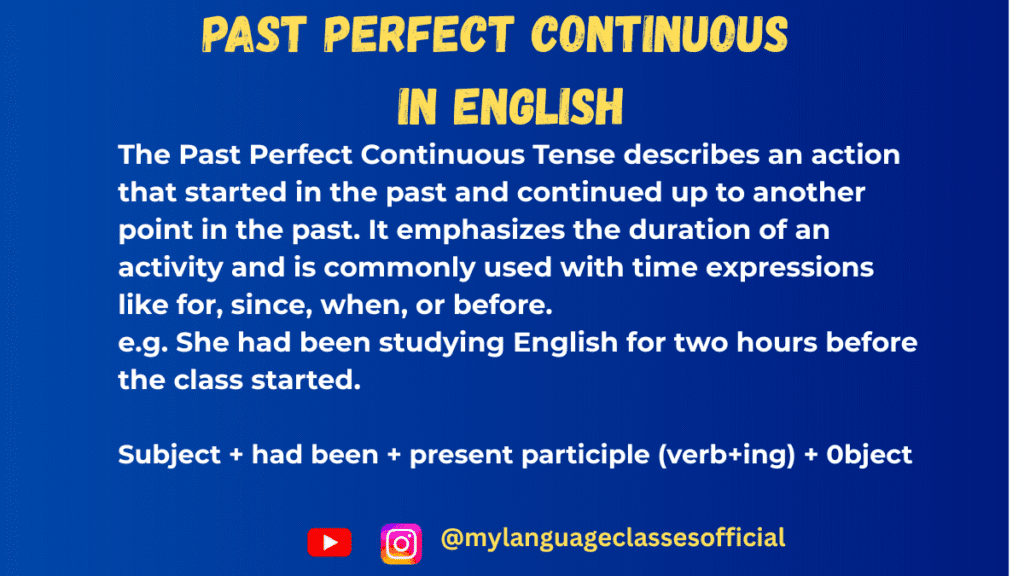
- Past Perfect Continuous Tense in English: Grammar Rules, Usage & Examples
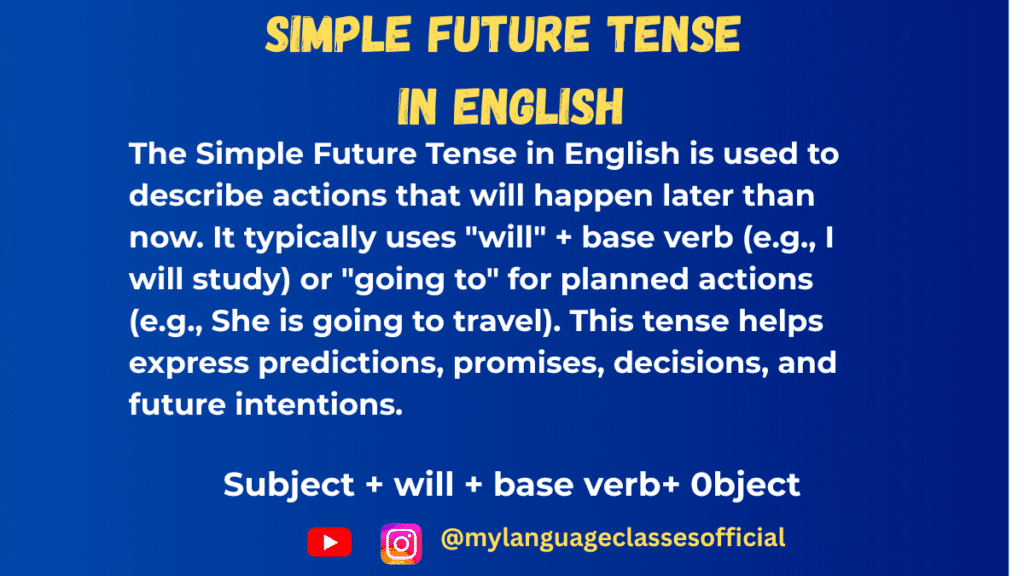
- Simple Future Tense in English: Grammar Rules, Usage & Examples
- Future Perfect Tense in English: Complete Guide with Rules, Examples & Exercises
- Future Continuous Tense in English: Grammar Rules, Usage & Examples
- Future Perfect Continuous Tense in English: Grammar Rules, Usage & Examples
- Past Participle in English: Grammar Rules, Usage & Examples
- Action Verbs in English: Grammar Rules, Usage & Examples
- Linking Verbs in English: Grammar Rules, Usage & Examples
- Modal Verbs in English: Complete Guide with Rules, Examples & Exercises
- Phrasal Verbs in English: Grammar Rules, Usage & Examples
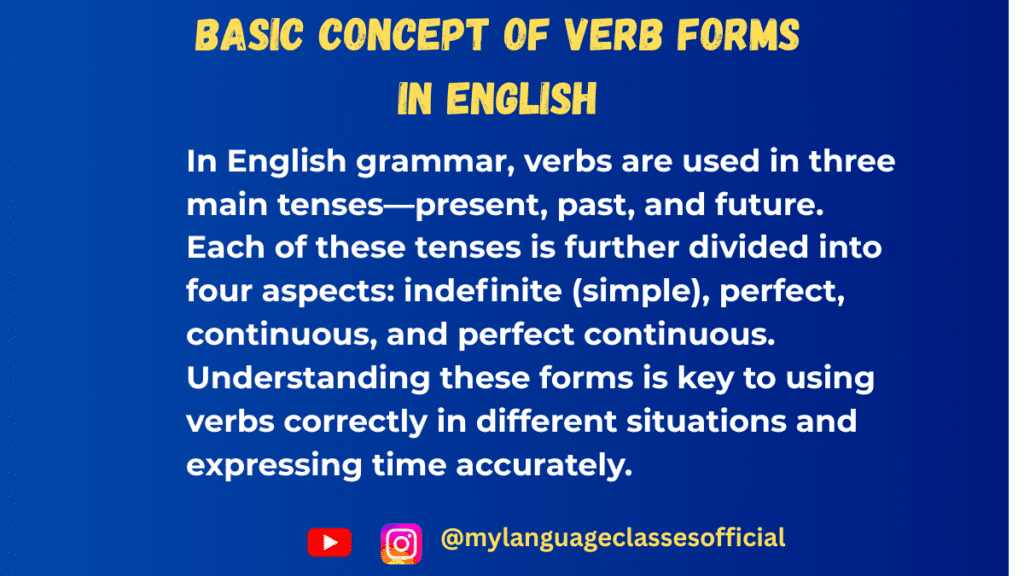
- Time and Tense in English: Grammar Rules, Usage & Examples
- Auxiliary Verbs in English: Grammar Rules, Usage & Examples
- Transitive and Intransitive Verbs in English: Rules, Differences & Examples

- How to Use Gerunds in English: Complete Guide with Rules, Examples & Exercises
- Stative Verbs vs Action Verbs in English: Grammar Rules, Usage & Examples
- Causative Verbs in English: Grammar Rules, Usage & Examples
- Complete Guide on All English Tenses(Present, Past, Future)
- 25 Most Common English Verbs Every Beginner Must Know | My Language Classes
- 25 Most Common English Verbs Every Intermediate Learner Must Know | My Language Classes
- Complete Guide to All 10 Verb Types in English










How to Choose the Correct Verb Type
Choosing the correct verb type depends on meaning and sentence structure. First, identify whether the verb shows action, state, or relationship. Next, check whether the verb requires an object.
Additionally, consider whether the sentence expresses obligation, possibility, or permission. As a result, selecting the correct verb type becomes a logical process rather than memorization.
Common Mistakes Learners Make with Verb Types
Learners often confuse linking verbs with action verbs. Another frequent mistake involves using stative verbs in continuous tenses.
Phrasal verbs also cause difficulty due to their idiomatic meanings. In addition, incorrect use of modal verbs can change sentence meaning entirely.
Understanding verb categories helps prevent these recurring errors.
Practical Tips for Mastering Verb Types in English
- Identify the role of the verb before choosing its form
- Learn verb types with sentence patterns, not isolated words
- Pay attention to verbs that change meaning by structure
- Practice recognizing verb types in reading materials
- Review common verb-related errors regularly
As a result, verb usage becomes accurate and natural.
Key Takeaways
- Verbs are essential for complete sentences
- Different verb types follow different grammar rules
- Action and stative verbs behave differently
- Modal verbs express meaning beyond action
- Phrasal verbs change meaning through particles
- Auxiliary verbs support tense and structure
- Transitive verbs require objects
- Causative verbs show indirect actions
Conclusion
Verb types in English determine how meaning is expressed and understood. Each verb category serves a specific grammatical function, and confusing them often leads to errors. Therefore, understanding how verbs work by type is essential for clarity and accuracy.
With structured learning and consistent practice, learners can confidently use all verb types in English across speaking, writing, and comprehension.
© 2025 My Language Classes · Privacy Policy

Vikas Kumar is the founder of My Language Classes, a language learning platform dedicated to helping learners develop practical communication skills in Spanish, Japanese, and English through comprehensive grammar guides, structured learning resources, books, and evidence-informed educational content.
At My Language Classes, we believe that successful language learning is built on clarity, consistency, meaningful practice, and a deep understanding of how languages work. Every article is carefully researched and created to simplify complex concepts, provide practical guidance, and help learners develop confidence through real-world communication.
Inspired by the principles behind How Language Learning Really Works, our mission is to make high-quality language learning accessible to learners around the world by providing accurate, trustworthy, and comprehensive resources that support lasting progress, lifelong learning, and meaningful communication.
Leave a Reply